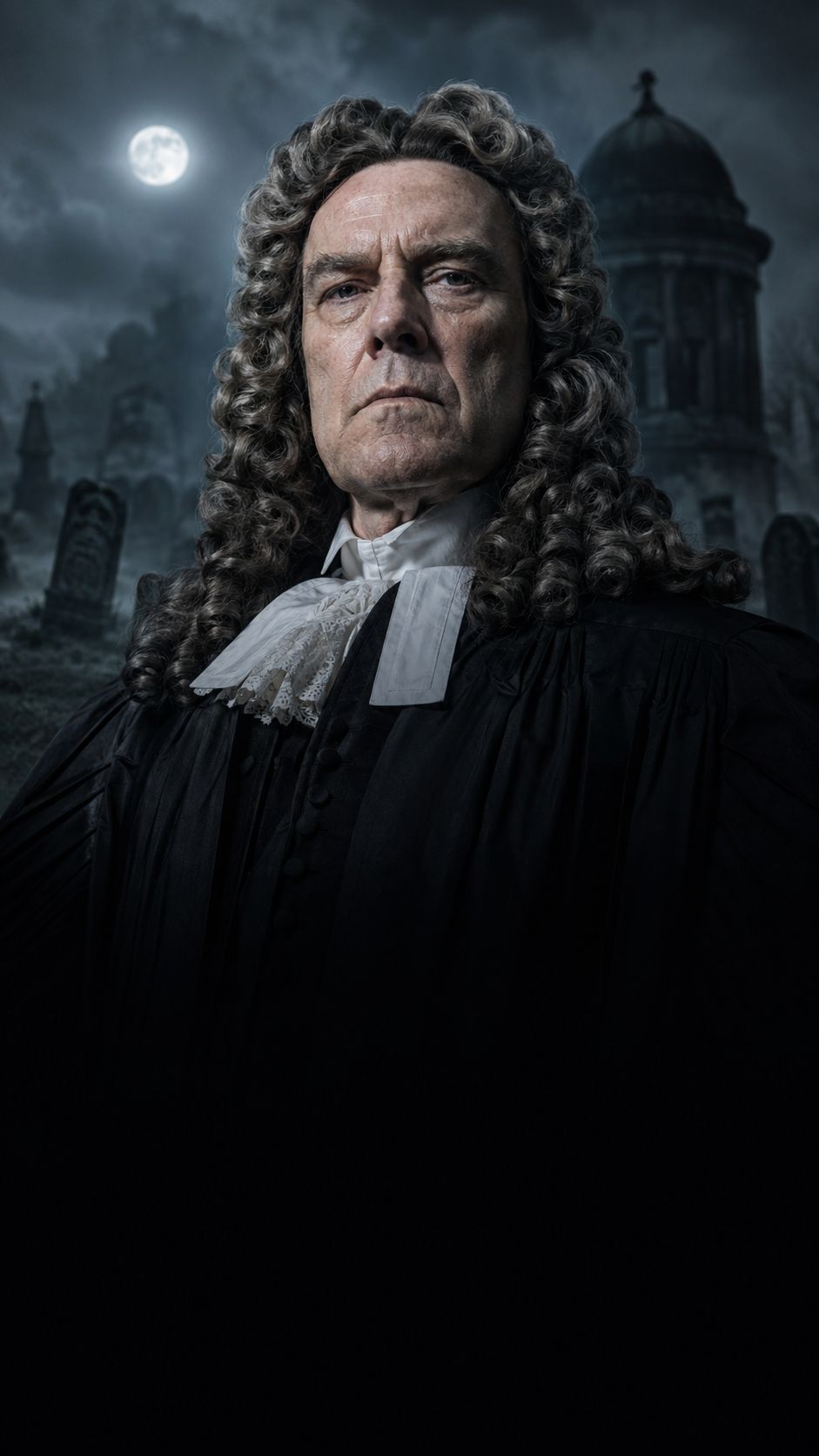
In November 1440, the most powerful family in Scotland was the House of Douglas. The 6th Earl of Douglas — a teenager named William, about 16 — held a concentration of land, castles and armed men that no other family in Scotland could match, and which the minority government had no safe way to confront. His younger brother David stood beside him. Together, they were the biggest threat to the authority of the child‑king James II, who was ten and effectively controlled by his chancellor, Sir William Crichton, keeper of Edinburgh Castle, who shared custody of the boy with Sir Alexander Livingston of Callendar.
Crichton and Livingston had a problem. The Douglases were too strong to crush in open battle. A direct confrontation could start a civil war. They needed something quieter.
They invited them to dinner.
The Horror
The young Earl and his brother accepted an invitation to dine with the king at Edinburgh Castle. The message came with assurances of friendship, safe conduct and hospitality. The boys came in good faith. The dinner was held in David’s Tower, the great keep raised for David II in the 1370s, and what was eaten there, and what was said, has not come down to us. Tradition remembers an evening that passed like any other court feast, until it did not.
Then, the story goes, a covered dish was brought in and placed before the Earl of Douglas. The lid was lifted.
On the platter was the head of a black bull — in Scottish folklore, a symbol that the guest so honoured was marked for death. No contemporary record carries the bull’s head; the detail belongs to tradition, gathered around the event over later centuries. What the record does carry is plainer and no less damning: the hospitality was a lie, and the promise of safe conduct evaporated.
The Douglas brothers were seized. A trial for treason followed, remembered in every account as a mock hearing with the verdict already settled. Both boys were condemned, taken out to Castle Hill and beheaded on 24 November 1440.
The ten‑year‑old King James II was present. Several accounts say he pleaded for their lives, though no contemporary record preserves his words or his state, and the affecting picture of a weeping boy tugging at his guardian’s sleeve is a later addition. What is not in doubt is that it made no difference. The king was ten. The decision was never his.
The heads fell somewhere beyond the walls of the room where he had been sitting, and whether he was made to watch, no source records.
The estates were broken up. Annandale and Bothwell fell to the crown, Galloway passed to the brothers’ sister Margaret, and the earldom itself went to their great‑uncle, James Douglas of Avondale, a man already allied to Crichton. The threat was not so much removed as rearranged, and Crichton kept his grip on power. The boy‑king grew up with the memory of two nobles close to his own age dragged from his table to their deaths while he sat at it and no one listened.
Just over eleven years later, on 22 February 1452, James II — now a grown king — invited the 8th Earl of Douglas to Stirling Castle under safe conduct to settle their feud. During a private conversation, tempers flared; James drew a knife and stabbed Douglas in the neck. His courtiers rushed in and finished the killing. The child who had once been at the table of the Black Dinner had learned its lesson. When he was old enough, he hosted his own.
The Modern Relic
Edinburgh Castle is the most visited paid attraction in Scotland, drawing close to two million people a year. The dinner is placed in David’s Tower, built for David II in the 1370s and long thought destroyed; its lower storeys survive, buried behind the Half Moon Battery, and visitors walk through them. Castle Hill, where the brothers were taken to die, lies just beyond. There is no bull’s head on any table; the story lives in guidebooks, audio tours and footnotes.
In 2013, George R.R. Martin confirmed that the Black Dinner of 1440 and the later Massacre of Glencoe were the two main historical inspirations for the Red Wedding. What he pointed to was the breaking of guest right. “Hospitality laws were real in Dark Ages society,” he told Entertainment Weekly. “A host and guest were not allowed to harm each other even if they were enemies.” In Scotland in 1440, that bond was broken at a king’s table. Martin took that fracture of trust and turned it into one of the most shocking scenes in his books.
Millions of viewers watched the Red Wedding and recoiled at the fiction. In the real castle, two teenagers ate at a king’s table and were hauled outside to die, with a ten‑year‑old king in the room and no one able or willing to stop it. The stones are still there. The table has been cleared. The lesson remained.