The Horror
On 30 April 1483 the twelve-year-old King Edward V was taken into his uncle Richard, Duke of Gloucester’s custody at Stony Stratford, while travelling to London for a coronation set for 4 May. His escort was arrested around him. He had been king for less than a month, and he entered his capital on 4 May in his uncle’s keeping.
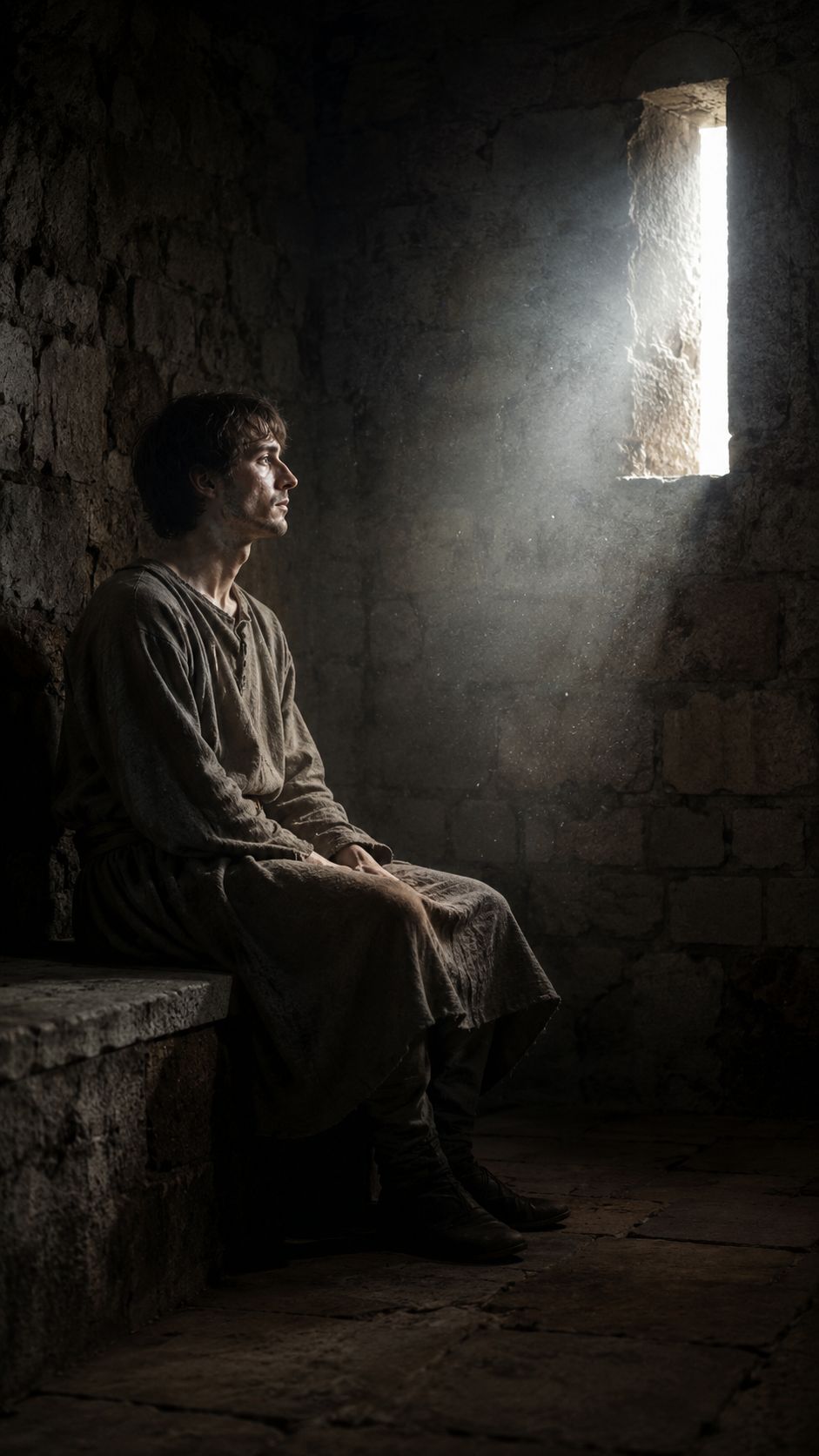
On 19 May Edward was lodged in the Tower of London, which at the time was still a royal residence, and his nine-year-old brother Richard joined him there on 16 June after their mother was persuaded to release him from sanctuary at Westminster, while the coronation was put back to 22 June and then abandoned altogether.
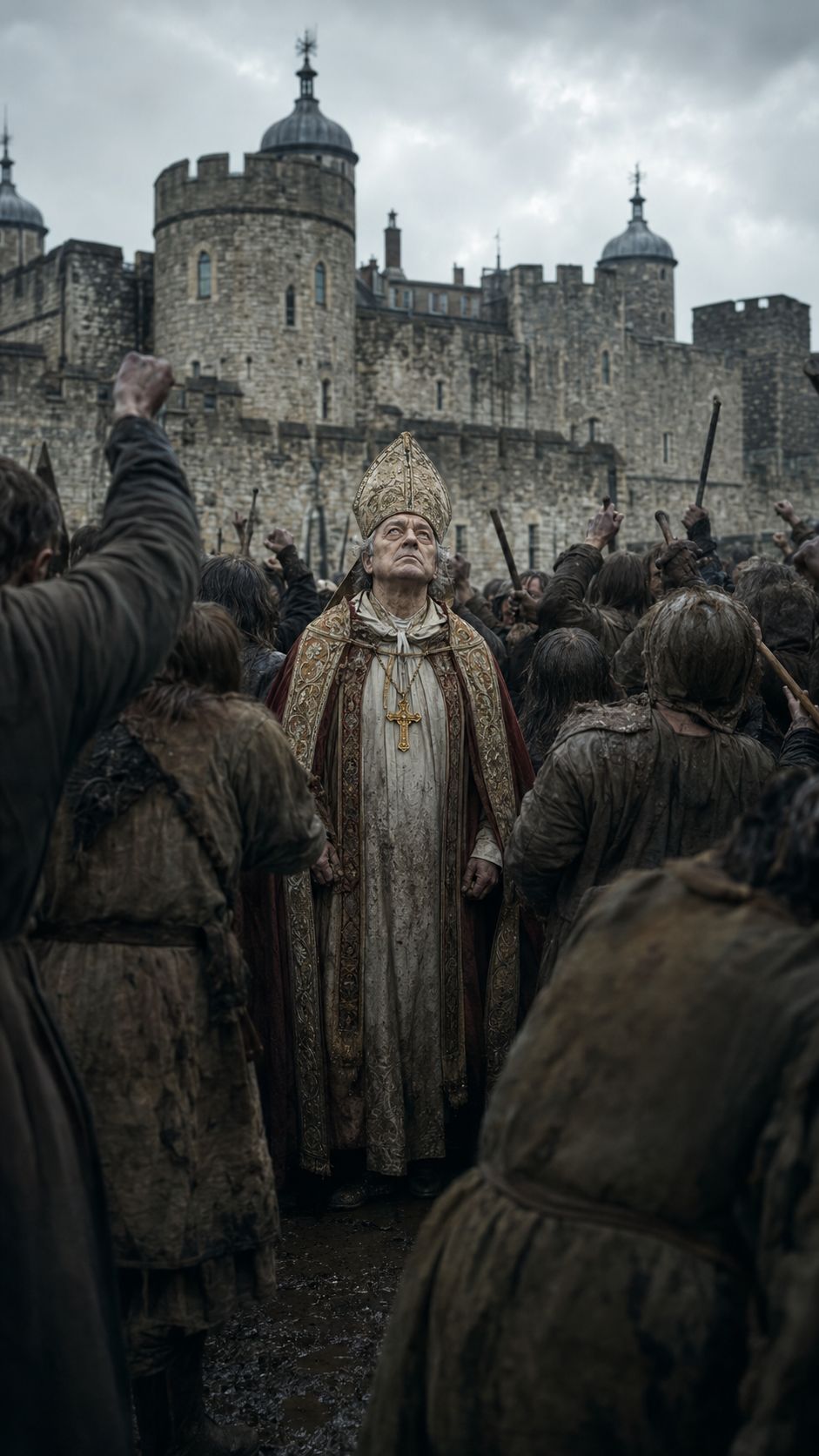
The case that the boys were illegitimate was preached publicly on 22 June, resting on the claim that their father Edward IV had contracted a marriage with Eleanor Butler before he married their mother. A petition offered the crown to Richard on 25 June, he acceded the following day, and he was crowned on 6 July. Parliament ratified the illegitimacy by the statute known as Titulus Regius in 1484.
The Italian visitor Dominic Mancini, who was in London that summer, wrote that the brothers were withdrawn to the inner apartments of the Tower and “day by day began to be seen more rarely behind the bars and windows until at length they ceased to appear altogether”. The last dated sighting is in the Great Chronicle of London, on 16 June, which has the children shooting and playing in the Tower garden. After that they are simply absent, and no official record was ever made of their deaths.
Rumours of murder were circulating in London before the year was out, and the familiar image of the boys smothered in their sleep comes not from 1483 but from Thomas More, writing some thirty years later, who described two servants pressing “the feather-bed and pillows hard unto their mouths”. Who gave the order, if an order was given at all, is not something the record settles. Richard III is the name most often attached to it, and he held the Tower and had the clearest motive, but the Duke of Buckingham and Henry VII have both been argued for by serious historians, and this account does not choose between them.
The Modern Relic
In July 1674 workmen demolishing buildings beside the White Tower found two small skeletons in a wooden chest about ten feet down, near a staircase, though even the precise spot is disputed: a plaque inside the White Tower claims one site, while most specialists place the find outside, by the stairs to St John’s Chapel. The bones were assumed to be the princes, and Charles II had them interred in Westminster Abbey in 1678, in a marble urn designed by Christopher Wren and set among the monuments of the royal dead in the Henry VII chapel.
When the urn was opened in 1933 the remains were judged to belong to two children of roughly the right ages, but that examination will not bear the weight usually placed on it. Bones were missing, lost or given away after the find in 1674; chicken and other animal bones were mixed in with them, along with three badly rusted nails; and no attempt was made even to establish whether the children were boys. No modern testing has ever been permitted. The bones lie in a royal peculiar, so any examination requires the consent of both the Crown and the Abbey, and that consent has not been given. Nothing has ever definitively identified them, and to this day nobody knows what happened to the boys, or at whose hands.