Michel Ney was the most famous soldier in France after Napoleon himself. A barrel-maker’s son who rose to Marshal of the Empire, he had fought through nearly every great battle of the Napoleonic Wars. During the catastrophic retreat from Moscow in 1812, he commanded the rearguard, musket in hand, and was popularly said to be the last Frenchman to leave Russian soil. Napoleon gave him the title history remembers: le Brave des Braves — the Bravest of the Brave.
The Horror
His downfall was a promise. When Napoleon escaped exile in 1815, Ney — who had sworn loyalty to the restored King Louis XVIII — vowed to bring his old emperor back to Paris “in an iron cage.” Instead, when he stood before Napoleon at Lons-le-Saulnier, his soldiers refusing to fire on their emperor, Ney defected on the spot. He fought at Waterloo like a man begging for death — five horses killed under him, leading the final charges on foot, shouting to his men: “Come and see how a marshal of France meets his death!” But death would not take him on the battlefield.
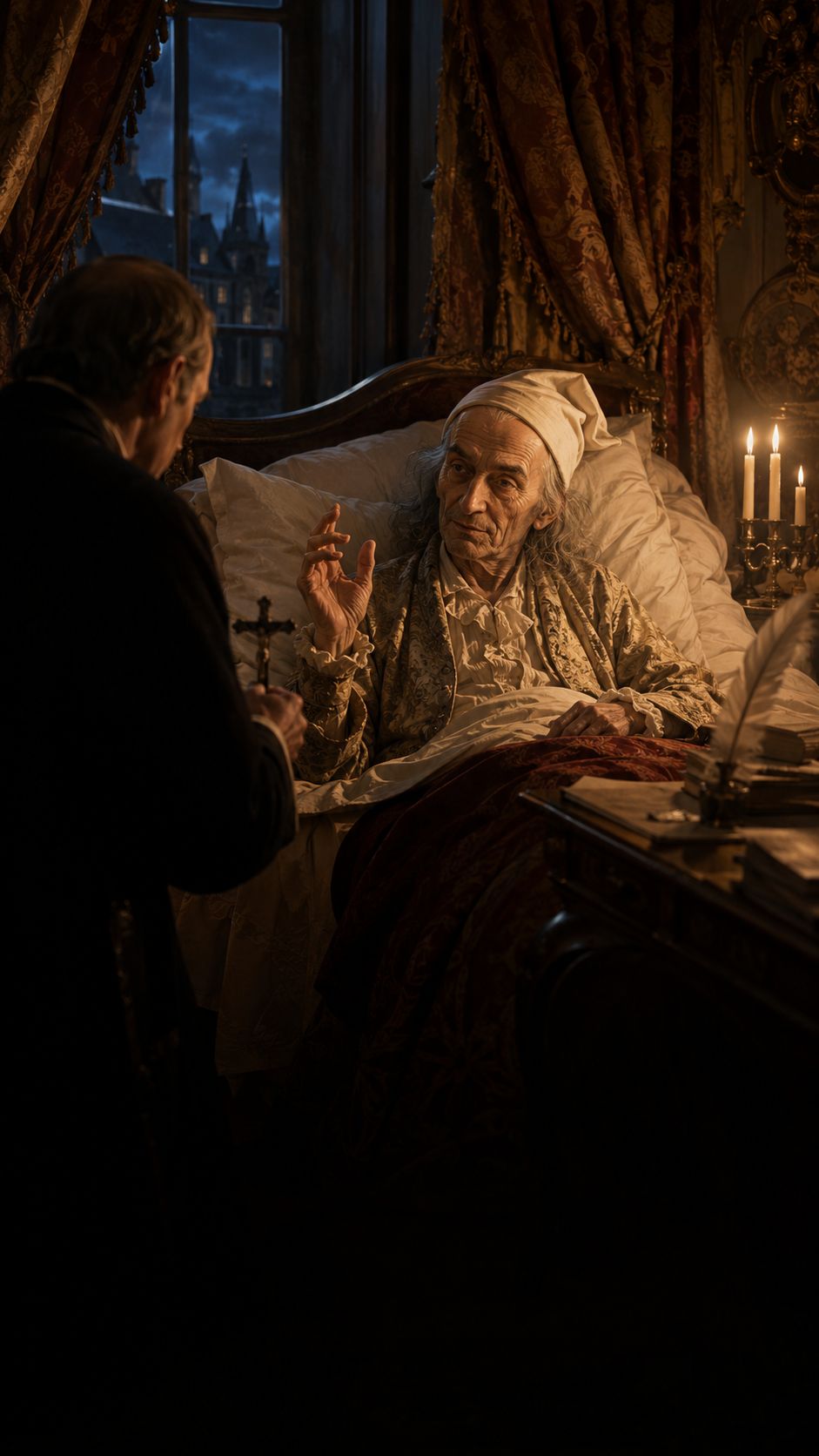
The restored monarchy took him instead. Arrested, tried for treason before the Chamber of Peers in the Luxembourg Palace, he was condemned to death. The tally is usually given as 139 peers for death against 22 who preferred deportation or clemency, though the accounts disagree; others record 137 for death, seventeen for deportation, five abstentions and a single vote to acquit. He was held in the Conciergerie, where Marie Antoinette had awaited her own execution twenty-two years earlier. The line the world remembers him by, that he had fought a hundred battles for France and not one against her, belongs to the accounts printed after his death rather than to anything an eyewitness heard in the cell.
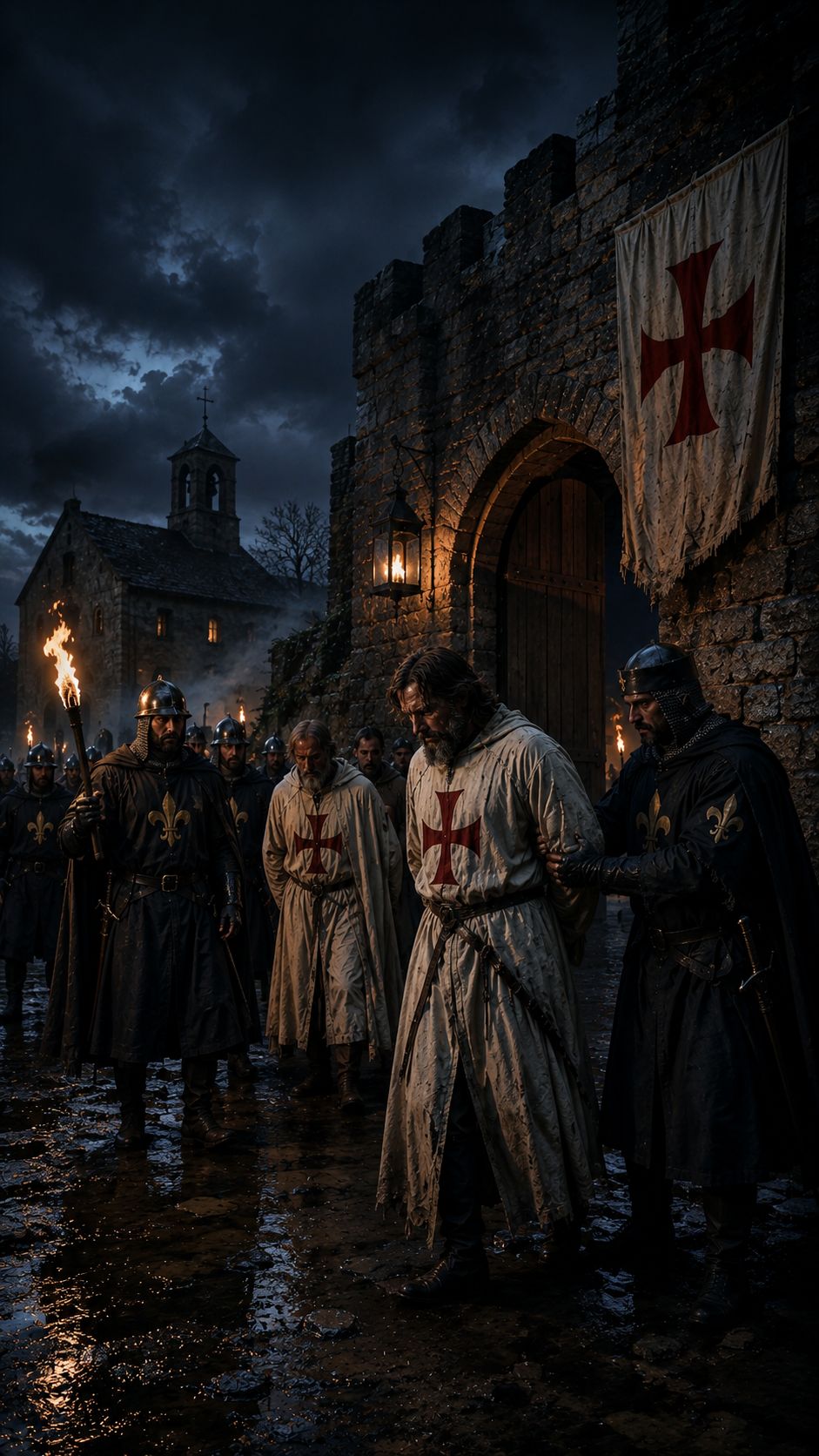
He was woken at three in the morning on the 7th of December 1815 and driven out at about half past eight to a boundary wall on the avenue de l’Observatoire, beside the Luxembourg Gardens, where he was shot at about nine. The usual parade ground at Grenelle was avoided and the orders required that it be done without public demonstration or spectacle, because the King’s men feared what Paris would do if it watched. Ney stepped from the carriage, walked to within a few paces of the wall, and turned to face the muskets. He refused the blindfold — “Are you unaware that I have spent twenty-five years staring down cannonballs and bullets?” He refused to kneel.
The most famous thing about his death is that he took command of it and gave the order to fire himself. No record supports it. The squad was commanded by a Piedmontese officer, the comte de Saint-Bias, who gave the word. What an eyewitness, General de Rochechouart, did set down is that Ney got out a protest against his condemnation and that the volley cut him off. Between nine and eleven balls struck him, six in the chest and three about the head and neck, and by regulation the body was left where it fell for a quarter of an hour.
The Modern Relic
The story goes that Parisians came afterwards and dipped handkerchiefs in his blood and kept them as relics of a martyr, though no contemporary record confirms it. His widow, Aglaé, remarried quietly in Italy within a year and lived until 1854. And when France’s mood turned, it turned completely: in 1853 a bronze statue of Ney, sword raised mid-charge, was erected steps from the spot where he fell, near the Avenue de l’Observatoire. You can stand in front of it today, on the same ground where he faced the muskets.
His grave lies in Père Lachaise Cemetery — though for two centuries a legend refused to die: that the squad deliberately missed, that Ney escaped to America, and that a French-speaking schoolteacher in North Carolina named Peter Stuart Ney, who died on the 15th of November 1846 and was said to have claimed on his deathbed to be Marshal Ney of France, was the Bravest of the Brave living out an impossible second life. No record ever supported it: the one ball that went high into the wall is poor aim rather than mercy, and in 2023 remains exhumed from the Rowan County churchyard were compared against Ney’s family line and found not to be his. The schoolteacher was most probably a Scot, Peter McNee, born in 1788.